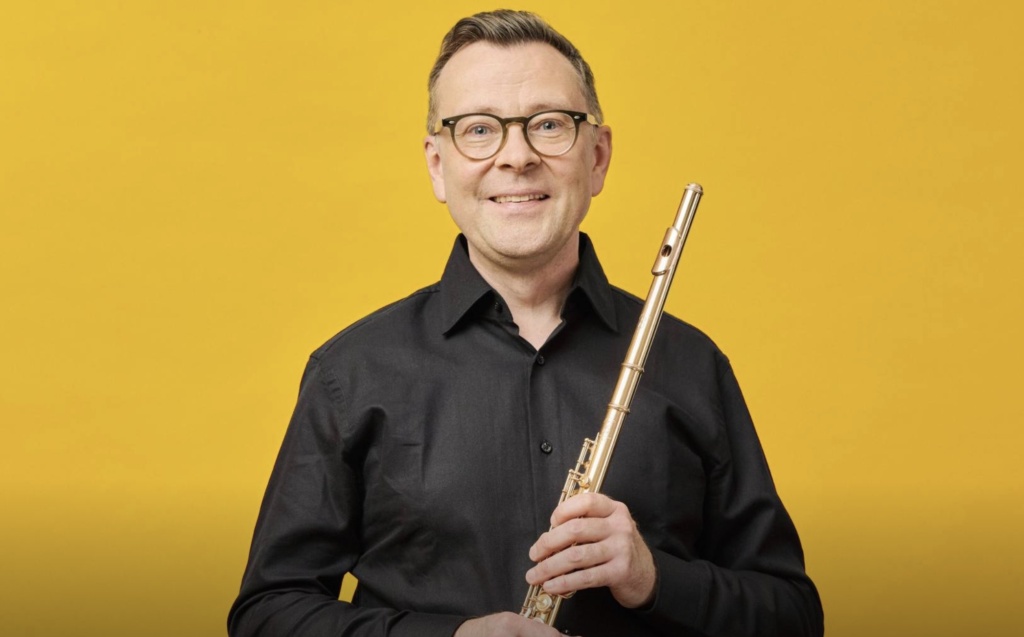
A New Era for the Berlin Flute Section: Höskuldsson Confirmed, Messina Appointed
The Berlin Philharmonic continues to shape the future of its celebrated wind section with two significant announcements this season: the confirmation of Stefán Ragnar Höskuldsson as Principal Flute, and the appointment of rising Italian flutist Lorenzo Messina as Second Flute and Piccolo.
Höskuldsson’s official confirmation, following the successful completion of his probationary period, marks a defining moment both for the artist and the orchestra. Since stepping into the role in September 2025, he has brought a refined tonal palette and commanding musical presence to the ensemble. His prior tenures with the Metropolitan Opera Orchestra and the Chicago Symphony Orchestra established him as one of the leading orchestral flutists of his generation, admired for his poise, precision, and expressive depth.
Born in Iceland and trained at the Royal Northern College of Music, Höskuldsson has cultivated a truly international career. In addition to his orchestral work, he remains active as a soloist, chamber musician, and educator, with teaching engagements at the DePaul University School of Music and the Pacific Music Festival.
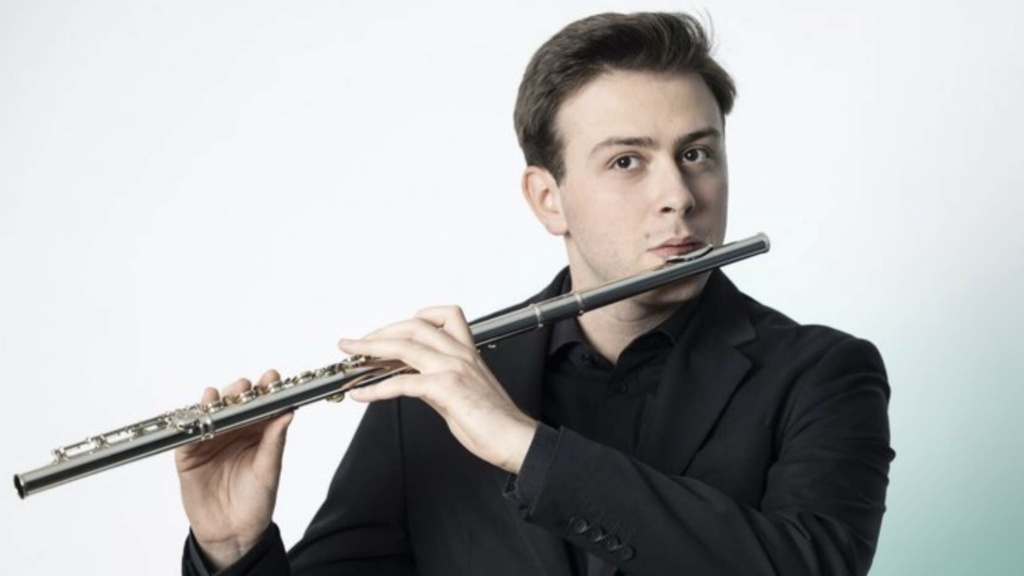
Alongside this major confirmation, the Berlin Philharmonic has also invested in its future with the appointment of 22-year-old Lorenzo Messina as Second Flute and Piccolo. A scholarship holder of the orchestra’s prestigious Karajan Academy of the Berlin Philharmonic since 2024, Messina has been mentored by Principal Flute Emmanuel Pahud and piccoloist Egor Egorkin, benefiting from one of the most distinguished training programs in the orchestral world.
Messina’s rapid ascent is striking. Prior to this appointment, he served as Co-Principal Flute with the Norrköping Symphony Orchestra and performed with La Filarmonica di Milano. His studies took him from the Liceo Musicale “G. Verdi” to the Accademia Musicale Chigiana, and later to the Conservatorio di Musica G. Verdi di Milano, before continuing at the Staatliche Hochschule für Musik und Darstellende Kunst Stuttgart. This blend of Italian and German training, combined with his orchestral experience at a young age, signals an artist of exceptional promise.
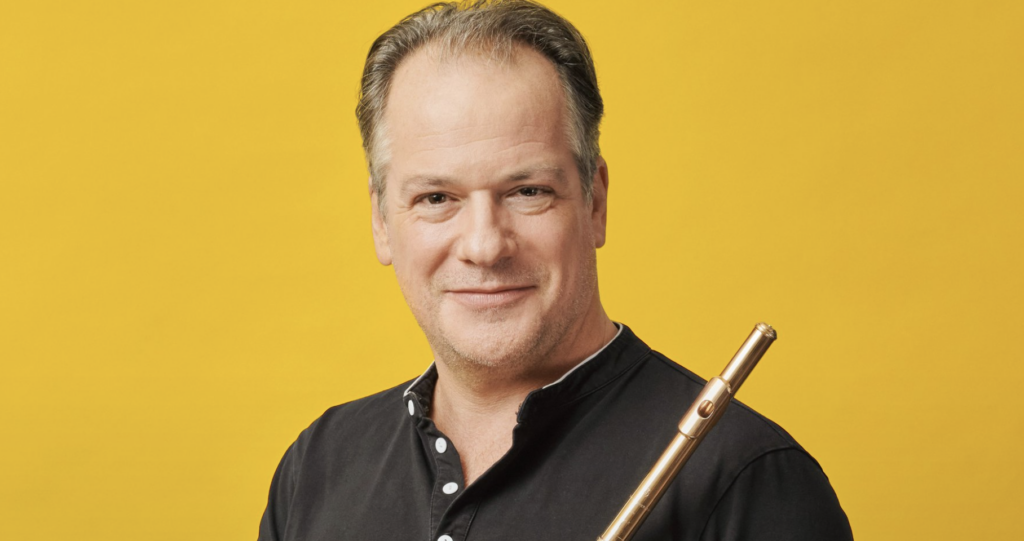
No discussion of the Berlin Philharmonic’s flute section would be complete without acknowledging the enduring influence of Emmanuel Pahud. Born in Geneva, Pahud joined the orchestra in 1992 at just 22 years old, becoming one of the youngest principal players in its history. Trained at the Conservatoire de Paris and shaped by mentors including Aurèle Nicolet, he quickly emerged as a defining voice of modern flute playing. Renowned for his versatility across baroque, classical, and contemporary repertoire, Pahud has helped redefine the role of the principal flutist as both orchestral leader and global solo artist. His long tenure with the Berlin Philharmonic—interrupted only briefly before his return in 2002—has coincided with a period of artistic evolution within the orchestra, and his influence continues through both performance and mentorship.
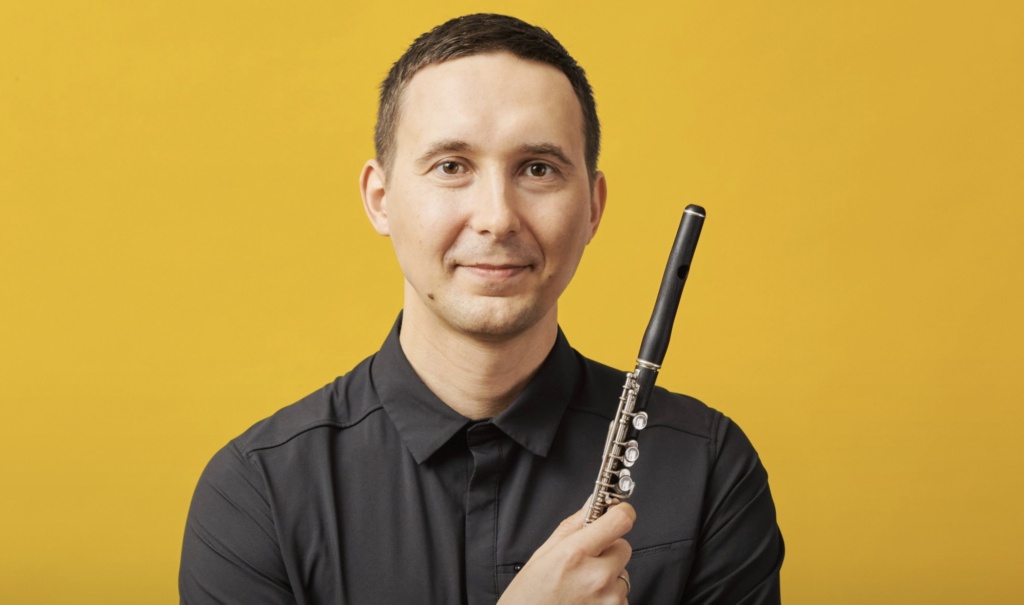
Equally integral to the section is Egor Egorkin, who has served as the orchestra’s piccoloist since 2013. Born in St. Petersburg, Egorkin’s musical path began at an early age, studying with Vladimir Ushakov before continuing at the St. Petersburg State Conservatory and later the Liszt School of Music in Weimar. A prizewinner at the International Theobald Böhm Competition, he gained orchestral experience with ensembles including the St. Petersburg State Academic Symphony Orchestra and the Gewandhaus Orchestra, as well as through the Berlin Philharmonic’s own academy. His playing brings brilliance and precision to the upper register of the orchestra’s sound, while his work as a mentor—particularly within the Karajan-Akademie—helps shape the next generation of orchestral flutists.
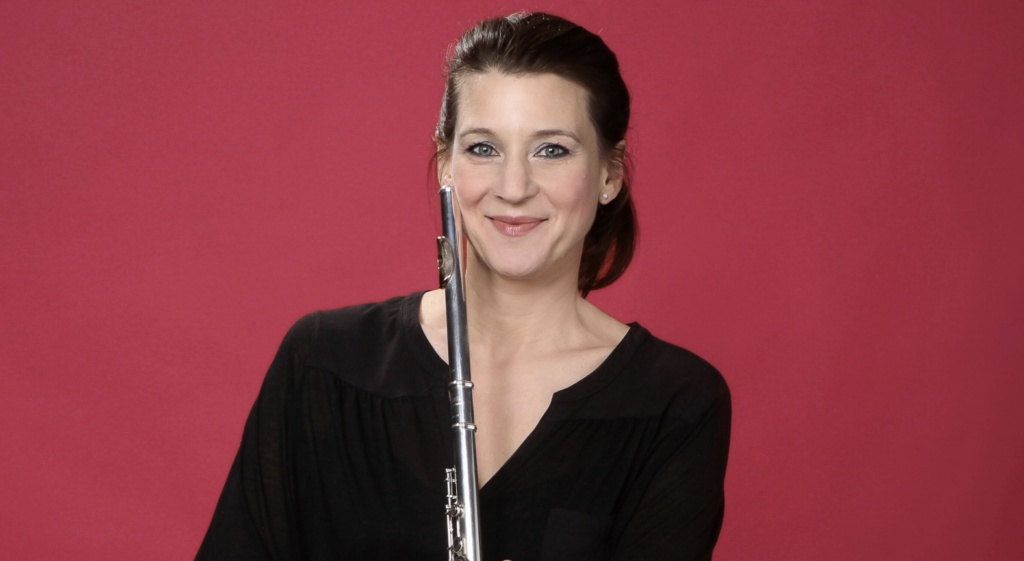
Another vital pillar of the section is Jelka Weber, who has been a member of the Berlin Philharmonic since 1997. Born in Achern, Germany, Weber began her flute studies at the age of eight and later trained at the University of Music and Performing Arts Munich with Hermann Klemeyer. As a young musician, she gained early orchestral experience performing with the Symphonieorchester des Bayerischen Rundfunks, and was mentored by Andreas Blau through the orchestra’s academy. After serving as principal flute of the Magdeburg Philharmonic, she joined the Berlin Philharmonic, where she has remained a central artistic voice. In addition to her orchestral work, Weber is an accomplished soloist and chamber musician, having performed with Ensemble Berlin, the Scharoun Ensemble, and at the Davos Festival. A prizewinner of major competitions including Jugend musiziert and the ARD Competition, she has also played a significant pedagogical role, teaching at the Karajan Academy since 2008.
Together, these artists represent both the legacy and the future of the Berlin Philharmonic’s flute section. Höskuldsson’s confirmation ensures artistic stability at the highest level, Messina’s arrival introduces fresh energy and promise, while Pahud and Egorkin continue to define and transmit a tradition of excellence. For the global flute community, this moment stands as a powerful reminder of the enduring vitality—and evolving artistry—of flute playing on the world stage.