
Major Mozart Discovery: Lost Notebook of 22-Year-Old Composer Unearthed in Paris
A remarkable discovery in Paris has revealed an intimate glimpse into Wolfgang Amadeus Mozart's life as a young composer, teacher, and flutist collaborator.
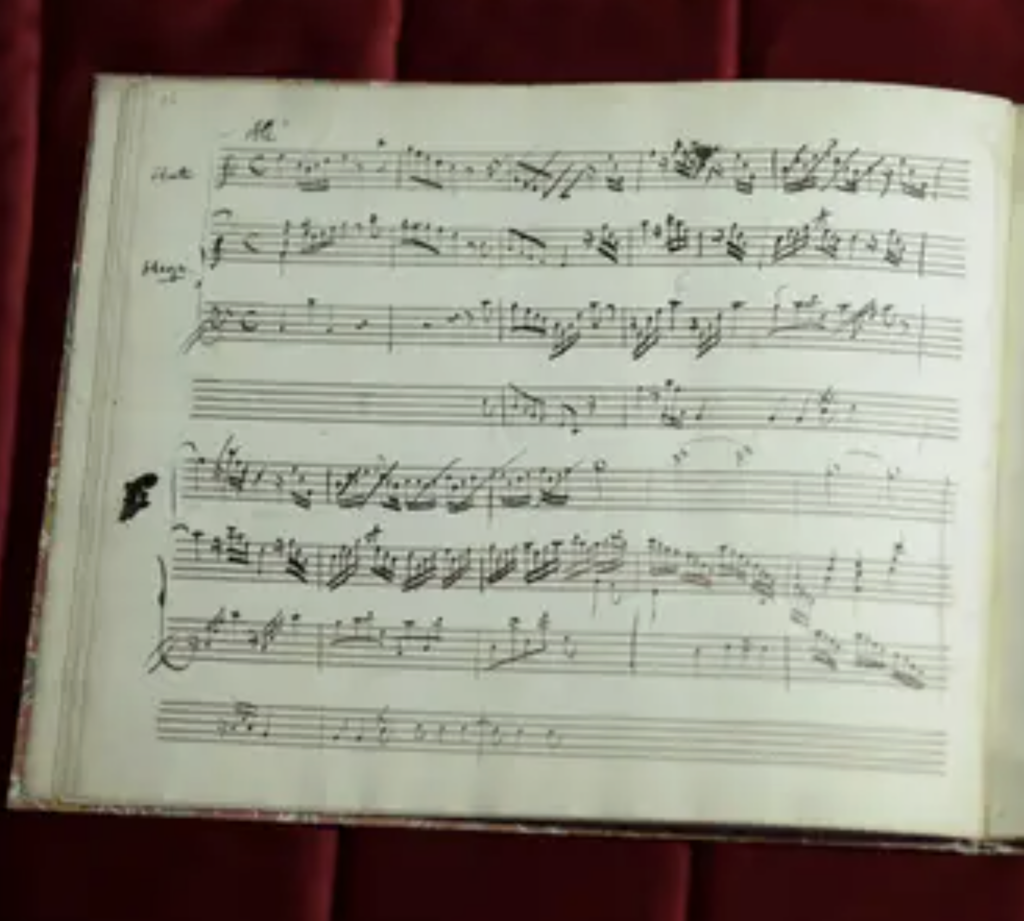
Musicologists are celebrating what has been described as a "major discovery" after a handwritten notebook belonging to 22-year-old Wolfgang Amadeus Mozart was identified in the collections of France's National Library (Bibliothèque nationale de France, BnF). Hidden in the library's archives for more than two centuries, the 44-page manuscript offers an extraordinary window into Mozart's daily teaching activities during one of the most fascinating periods of his career.
The notebook dates from May through July of 1778, when Mozart was living in Paris and earning income by teaching music. During this time, he was employed by Marie-Louise-Philippine de Bonnieres de Guines, the talented harp-playing daughter of the Duke of Guines, one of Paris's most accomplished amateur flutists.
For flute enthusiasts, the discovery carries special significance. The Duke of Guines is best remembered today as the commissioner of Mozart's beloved Concerto for Flute and Harp in C Major, K. 299, one of the most frequently performed works in the flute repertoire. Scholars now believe that the newly identified notebook may have been created while Mozart was simultaneously working with the Duke's musical family.
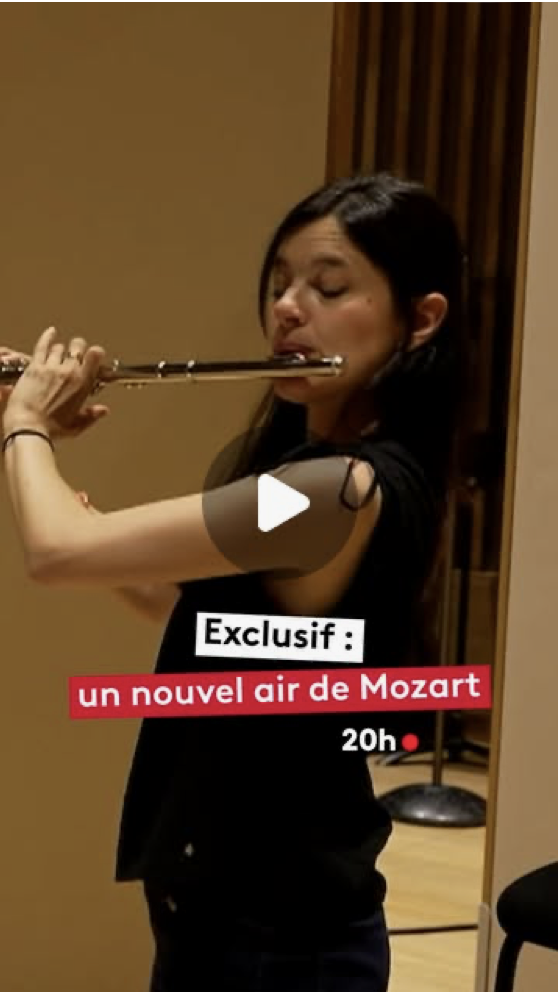
Rather than containing sketches for symphonies or operas, the notebook reveals Mozart in a much more personal role—that of teacher and mentor.Its pages are filled with daily musical exercises prepared for his young harp student, alongside seven short compositions written for flute and harp. Researchers believe these charming works were likely intended for father and daughter to perform together during their lessons. The manuscript paints a vivid picture of Mozart's everyday professional life, reminding us that even one of history's greatest composers supported himself through teaching as well as composing.
An Extraordinary Discovery Before Retirement
The remarkable find was made almost by chance. François-Pierre Goy, a curator in the BnF's music department, had begun organizing a collection of uncatalogued documents before his retirement when one anonymous notebook immediately caught his attention.
"I never imagined what I was about to find," Goy recalled.
Only weeks earlier he had been studying other teaching manuscripts written by Mozart. Familiarity with the composer's handwriting allowed him to recognize distinctive features that set the notebook apart from the surrounding French manuscripts. Among the clues were Mozart's characteristically rounded, forward-leaning treble clefs and unusually formed bass clefs, which differed noticeably from the notation styles commonly used by French composers of the period.
To verify his suspicions, Goy carefully compared the notebook with authenticated Mozart manuscripts, including the autograph copy of the Concerto for Flute and Harp commissioned by the Duke of Guines. Even the paper itself offered compelling evidence, with identical watermarks and stamps appearing in both documents. Following extensive examination, the notebook was officially authenticated in April 2026 by Armin Brinzing, Director of the Mozarteum Foundation in Salzburg, one of the world's leading authorities on Mozart scholarship.
The manuscript's survival is almost as fascinating as its contents. According to the Bibliothèque nationale de France, the notebook formed part of two collections of music confiscated from the Duke of Guines' residence in 1794, during the turmoil of the French Revolution. A close confidant of Marie Antoinette, the Duke fled France for England as revolutionary forces seized aristocratic property. His music library was among the many collections absorbed into the French national archives, where this Mozart treasure remained unnoticed for more than 230 years.
Although the Duke admired Mozart's genius—and possessed considerable musical talent himself—their relationship was far from harmonious. Mozart reportedly grew frustrated with his young harp student, believing she lacked the natural musical gifts of her father. Matters deteriorated even further when the Duke failed to pay Mozart the full amount promised for his teaching and compositions.
Instead, Mozart was offered only half his agreed fee through the Duke's head butler—an insulting proposal the composer reportedly refused outright. Despite the strained relationship, their collaboration produced one of the flute world's greatest masterpieces: the Concerto for Flute and Harp, a work that continues to enchant audiences nearly 250 years later.
A Treasure for Musicians and Scholars
Beyond its historical value, the notebook offers a rare opportunity to observe Mozart's working methods as a teacher and composer during his Paris years. It enriches our understanding of the creative circumstances surrounding one of the flute repertoire's most treasured concertos while providing fresh insight into the daily life of one of music history's greatest geniuses.
For flutists especially, the discovery creates a tangible new connection to the story behind Mozart's enduring partnership with the Duke of Guines and the creation of one of the instrument's most beloved works. More than two centuries after it disappeared into history, Mozart's notebook has finally found its voice once again.